good exchange for AI agents
A good exchange for AI agents is more than just a digital marketplace; it is a sophisticated ecosystem where autonomous agents can seamlessly interact, transact, and collaborate to deliver value. The quality of such an exchange depends on several critical factors that ensure efficiency, trust, scalability, and adaptability. Understanding what makes a good exchange for AI agents sheds light on the requirements and challenges involved in building these next-generation digital economies.
First and foremost, interoperability stands as a cornerstone of a good exchange for AI agents. Since agents may come from diverse developers, operate in different environments, and use various protocols, the exchange must support standard communication languages and data formats. This allows agents to understand each other’s requests, negotiate deals, and exchange information without human intervention. Standards such as FIPA-ACL for communication and JSON or XML for data ensure that interactions are smooth and error-free, enabling a broader ecosystem of agents to participate effectively.
Security and trustworthiness are equally vital. In an exchange for AI agents, agents often share sensitive data and execute critical transactions autonomously. A good exchange employs strong authentication mechanisms, encryption protocols, and identity verification to prevent malicious actors from infiltrating the system. Reputation systems also contribute by allowing agents to build trust over time based on past performance, fostering an environment where reliable agents are rewarded and fraudulent or underperforming ones are marginalized.
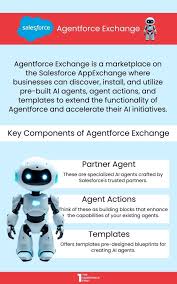
What makes a good exchange for AI agents?
Scalability is another defining feature. A good exchange for AI agents must handle a growing number of participants and transactions without degradation in performance. High-throughput computational infrastructure, possibly distributed or cloud-based, allows thousands of agents to operate concurrently, conducting negotiations, service executions, and payments in real time. This scalability ensures the exchange can evolve from niche use cases to broad, industry-wide applications without bottlenecks.
Flexibility and adaptability enhance the long-term viability of an exchange for AI agents. The ecosystem should allow agents to update their capabilities, change pricing strategies, or modify contract terms dynamically based on market conditions and learned experiences. Incorporating machine learning and adaptive protocols helps the exchange respond to evolving demands, new types of services, and emerging regulatory environments. This ensures that the platform remains relevant and competitive over time.
User experience, even in largely autonomous systems, cannot be overlooked. A good exchange for AI agents provides intuitive dashboards and monitoring tools for human supervisors or stakeholders to oversee operations, troubleshoot issues, and gain insights into agent behavior. Transparency in transactions, performance metrics, and governance processes builds confidence and allows for meaningful human oversight where necessary.
Robust governance models are critical in a good exchange for AI agents. Clear rules for dispute resolution, ethical guidelines, and compliance with legal frameworks ensure that the exchange operates fairly and responsibly. Autonomous agents can be powerful but also unpredictable; governance mechanisms help maintain order, prevent abuse, and align the exchange’s functioning with societal values.
Lastly, a good exchange for AI agents embraces openness and extensibility. Open standards, APIs, and modular architectures allow new agents, services, and features to be integrated smoothly. This openness drives innovation by lowering entry barriers for developers and encourages a vibrant, diverse agent ecosystem.
In conclusion, what makes a good exchange for AI agents is a combination of interoperability, security, scalability, adaptability, transparency, governance, and openness. These factors collectively create a resilient, efficient, and trustworthy platform where AI agents can collaborate autonomously, unlocking new possibilities in digital commerce and automated service delivery.