
Quick Tips on Car-Painting Cost
- Costs vary significantly due to many factors, but a middle-tier paint job on a typical sedan can cost about $3,000.
- Car size, paint quality, and necessary prep work are some of the variables affecting car-painting costs.
- You can paint a car yourself, but the cheapest paint job from a body shop is probably better than what most DIYers can accomplish on their own.
A new paint job refreshes the vehicle’s appearance, puts the final touches on repairs, or gives your ride an entirely new look. Painting your car is an exciting transformation, but at what cost?
Read on to learn how much you should budget for the job, the variables that affect the cost of painting a car, the pros and cons to evaluate, alternatives to consider, and more.
How Much Does It Cost to Get a Car Painted?
Advertised specials boast paint jobs for $1,000 or less. Some quotes might exceed $5,000 up to five figures. While there are options for every budget, a cheaper one may have a shorter lifespan, with paint chipping or fading sooner than more expensive and better-quality jobs. On the other hand, high-quality paint jobs offer durability and an aesthetically pleasing finish but at a steeper price.
Two-tone designs, stripes, and other custom options add to the price. Changing the original color costs more, and additional charges apply for painting door jambs or under the hood and trunk.
When you get a quote from a shop, check their references and look at samples of their work. Keep in mind that the most expensive estimate doesn’t always mean the highest-quality work.
RELATED: What Are the Best Car Colors to Buy?
Cost Considerations of Painting Your Car
Car-painting costs vary depending on factors such as the vehicle size, the quality of materials, the extent of the paint job, customization options, and more.
- Car size: Larger vehicles require more paint and labor, driving up the cost. A compact car might need only a gallon of paint, while an SUV could require 1.5 gallons or more. Top-quality car paint can cost several hundred dollars per gallon.
- Paint color: Certain colors and finishes, such as metallic or pearlescent, come at higher prices due to their complex application processes.
- Repairs: Prepaint repairs to address peeling, delaminating, rust, dents, cracks, and scratches are essential for a flawless finish and add to the overall expense. For example, advanced rust repair — especially on antique or classic automobiles — can cost thousands of dollars.
- Paint finish: The number of paint layers and choice of clearcoat finishes affect both appearance and cost.
- Quality: Opting for high-quality paint enhances the car’s look and resale value, albeit at a higher initial investment. However, you should not expect a total return on your investment. A $3,000 paint job does not automatically boost your car’s value by that amount.
MORE: What Is Premium Paint?
Types of Car Paint Jobs
The differences in quality and longevity become apparent when comparing cheaper and more expensive paint jobs.
- Basic paint job: Typically costs between $500 and $1,000. This includes a single-stage synthetic enamel paint and minimal prep work. It offers a budget-friendly option but may have a shorter lifespan with a limited warranty and lower durability.
- Midtier paint job: Ranges from $1,000 to $5,000. A middle-of-the-road option may include thorough preparation, multiple coats of high-quality paint, and a clearcoat finish to resist chipping. It provides a better appearance and longer-lasting results compared to a basic paint job.
- High-quality paint job: Costs can range from $5,000 to $10,000 or more. This includes extensive preparation, premium paint, multiple clearcoat layers, and possibly custom designs. It offers the best durability, finish, and aesthetic appeal.
MORE: What Does It Mean to Have a Vehicle Detailed?
When to Paint Your Car
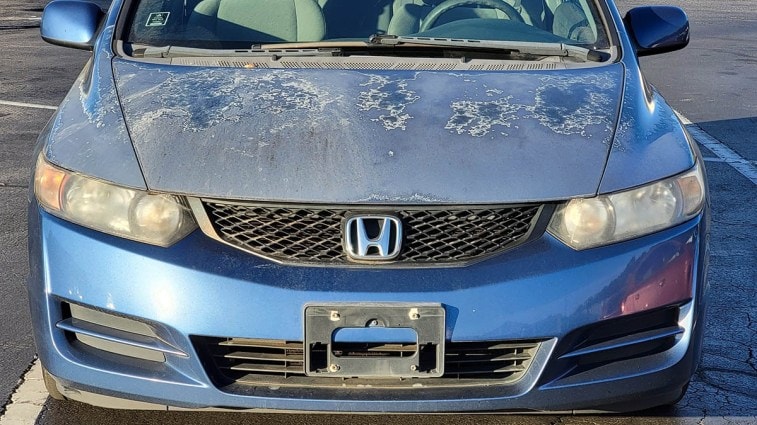
Repainting your car may be a personal choice or come from necessity. People in the car-painting business might suggest you repaint your vehicle every five years.
We believe paint lasts much longer than that with proper care, which includes regular washing and waxing. However, every situation is unique. For example, not everyone has covered parking available, and exposure to weather takes a toll on your car’s paint.
Here are common reasons for repainting cars.
- Aging paint: Over time, paint can fade, crack, or peel.
- Damage: Accidents, scratches, or rust can necessitate a new paint job.
- Custom look: Changing the color or design to personalize your vehicle.
MORE: DIY Car-Cleaning Hacks With 20 Household Items
Pros of Painting Your Car
- Better appearance: Painting your vehicle won’t make it look like a new car, but new paint will make your old car look better.
Increased value: A fresh paint job can enhance the car’s resale value. - Restoration: Helps restore older cars to their original condition.
- Customization: Allows you to personalize your car and make it unique.
Cons of Painting Your Car
- Price: Quality paint jobs can be expensive.
- Time: The process can be time-consuming, leaving you without your vehicle for days or weeks.
- Maintenance: New paint requires additional care to preserve its appearance.
- Durability: Even high-quality paint is subject to chipping and fading over time.
RELATED: Matte Car Paint: Is the Look Worth the Hassle?
Professional vs. DIY Car Painting
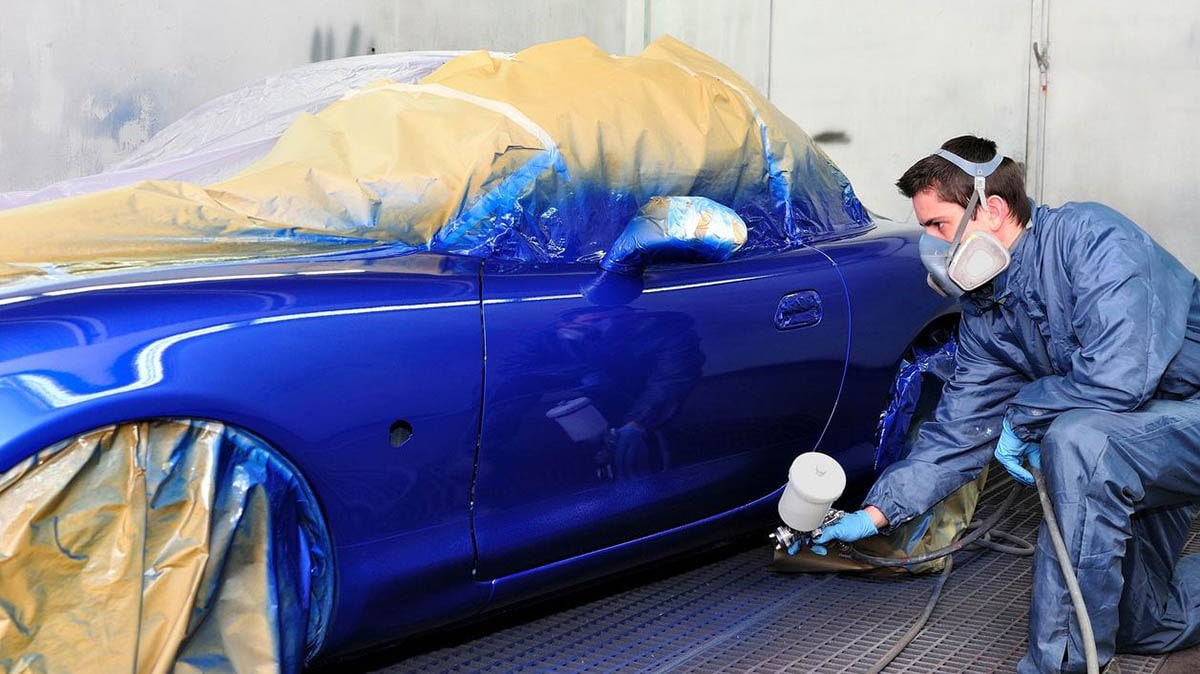
You can have your car painted professionally or take on a do-it-yourself project.
- Professional painting offers high-quality results, expert application for longevity, and often a warranty. However, a good paint job can cost several thousand dollars.
- DIY painting can be more economical, with supplies costing only a few hundred dollars. However, the results can be less than appealing without the proper equipment and skills.
The lowest-cost paint job from a body shop is likely much better than what most car owners without painting experience can accomplish alone.
MORE: Best Car Cleaning Kits: Products and Equipment
Alternatives to Painting Your Car
Read Related Articles: