Most Out of Quick Turn PCB Assembly
Quick turn quick turn pcb assembly is a crucial service for many industries. It offers a faster and more efficient alternative to traditional production and enables companies to meet tight deadlines. In addition, quicker iterations and shorter production cycles allow for better design validation and improve the quality of final products. It also allows manufacturers to respond more quickly to market trends and customer demands.
In order to get the most out of quick-turn services, it is important to ensure that all components and files are prepared before sending them to a manufacturer. This includes having a well-built BOM, Pick and Place file, Gerber file, and assembly drawings. These should include all of the relevant details of each component including their description, manufacturer part number, quantity, and footprint.
Having all of this information ready to go will greatly reduce the amount of time it takes to process a quick-turn order. It will also make it much easier for the factory to provide a fast quote. Another important factor is the choice of materials used. It is best to choose a standard board material like FR-4, which is easy to work with and provides good insulation properties. For more demanding applications, a metal substrate can offer enhanced thermal and electrical performance.
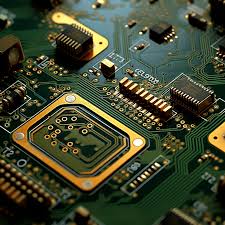
Getting the Most Out of Quick Turn PCB Assembly
One of the best ways to reduce manufacturing times for a PCB is by using DFM (Design for Manufacturability) techniques. This will help you avoid common mistakes that can delay production, such as oversized components, excessive copper weights, and unsuitable silkscreen designs. It is also recommended to use standard component footprints and to stick with through-hole vias rather than blind or buried ones.
Other ways to accelerate a PCB’s production time is by utilizing advanced technology tools and processes. These include automated optical inspection (AOI), smart factory integration, and 3D printing. AOI is a highly accurate, fast-paced tool that can significantly reduce overall PCB inspection times and prevent human errors. Smart factory integration can connect all aspects of the production process from design to shipping, optimizing workflow and reducing lead times. 3D printing can be used to create complex and unique shapes that would otherwise be difficult or impossible to manufacture with traditional manufacturing methods.
As the need for electronic devices and other appliances grows, so too does the demand for PCBs. The fast turnaround time of quick-turn PCB assembly is an essential tool for many industries, especially those that require strict adherence to regulatory standards, such as the medical and automotive industries. Quick-turn PCB fabrication and assembly enables rapid prototyping and production, helping to speed up the time it takes for new products to reach the market. This helps companies keep up with demand and stay competitive in today’s fast-paced market.