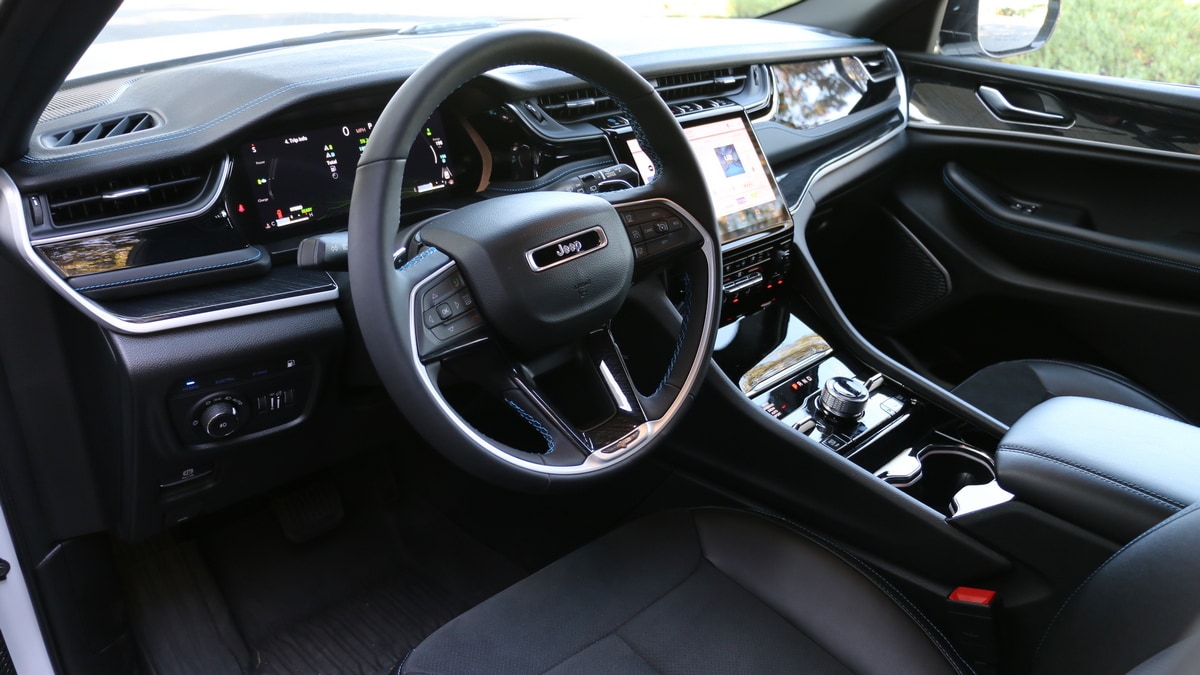

Today’s new cars are technological marvels. They feature ever-growing screens. Many detect their owners’ approach with keys in their pockets and play lighting animations to greet them like cars are excitable pets. Some accept voice commands. An increasing number sense the world around them and can brake to avoid an accident.
A new survey finds owners growing frustrated with much of it.
J.D. Power’s 2024 U.S. Tech Experience Study asked 81,926 owners of new 2024 model-year vehicles about problems they’d experienced in the first 90 days of owning their new cars. The result?
“This year’s study makes it clear that owners find some technologies of little use and/or are continually annoying,” says Kathleen Rizk, senior director of user experience benchmarking and technology at J.D. Power.
Related – J.D. Power: Vehicles Growing Less Dependable
Drivers Don’t Want Much Assistance
Some technologies, “like smart climate control, have quickly won popularity with those owners who have used it,” the researchers write. Others “unsuccessfully try to solve a problem that owners didn’t know they had.”
Owners appreciate driver assistance systems with a particular function, J.D. Power says, like blind-spot cameras. However, hands-on-the-wheel driver assistance systems that help keep a car in its lane and maintain the speed of traffic received a “low perceived usefulness score (7.61 on a 10-point scale). The hands-free, more advanced version of this tech does not significantly change the user experience as indicated by a usefulness score of 7.98, which can be attributed to the feature not solving a known problem.”
Related – Study: Car Shoppers Want Wireless Charging, Not Self-Driving
Passenger Screens Pointless Without Passengers
Owners also don’t see much value in passenger screens – a new trend in luxury cars. “Perhaps the technology would be viewed more favorably if the front passenger seat was used more frequently, but only 10% of vehicles carry front-seat passengers daily,” the researchers note.
Some Brands More Successful Than Others
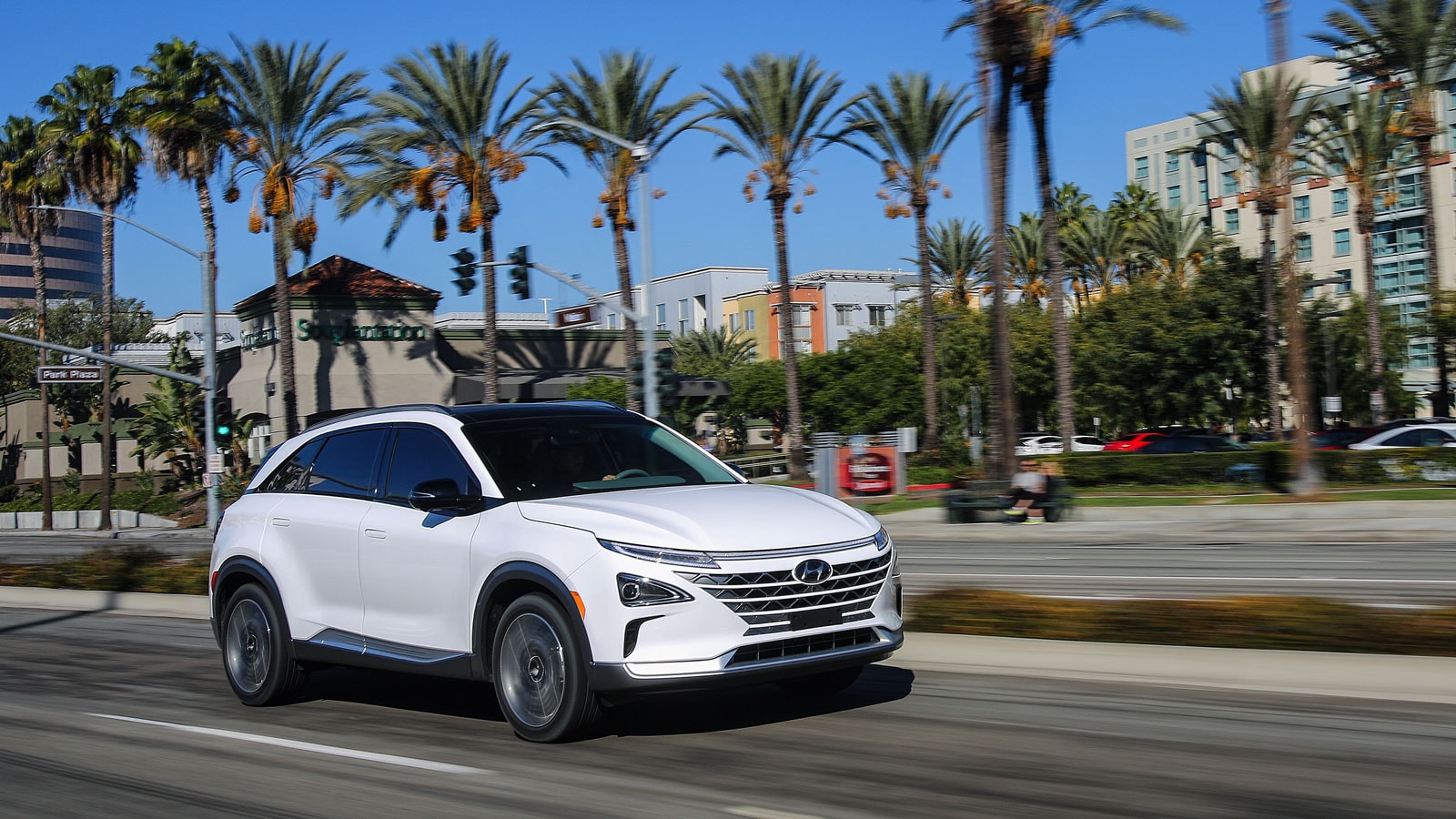
Hyundai’s luxury division, Genesis, received the highest overall score for useful technologies, while Hyundai itself came in at the highest among mainstream brands.
No automaker is blowing drivers away with technology. On a 1,000-point scale, the winner earned just 584.
J.D. Power doesn’t rank Tesla in its studies because Tesla won’t let the company use data in states where permission is required. Based on limited data from states that don’t require consent, Tesla would have taken the top spot. However, the researchers say that even Tesla’s score is slipping.
That may be happening because tech-hungry early adopters have already bought into the brand. “This trend is waning as this year’s results show a shift to lower satisfaction across some problematic techs such as direct driver monitoring (score of 7.65),” the researchers write.
The Scores
J.D. Power calculates scores on a 1,000-point scale. Higher scores indicate greater consumer satisfaction.
Mainstream Brands:
| Brand | Score |
| Hyundai | 518 |
| Kia | 499 |
| Toyota | 436 |
| Honda | 434 |
| Chevrolet | 432 |
| Subaru | 431 |
| Volkswagen | 430 |
| Jeep | 425 |
| Mitsubishi | 425 |
| Ram | 424 |
| Mazda | 415 |
| Nissan | 411 |
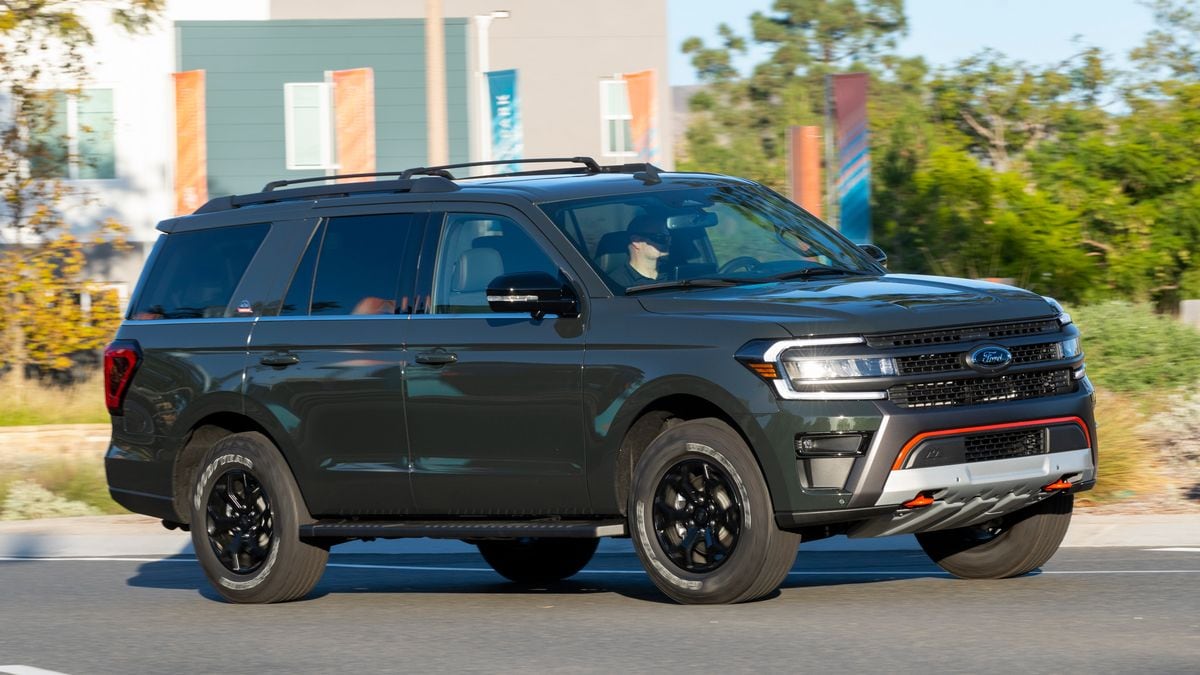
| Ford | 406 |
| Mini | 396 |
| Dodge | 392 |
Luxury Brands:
| Brand | Score |
| Genesis | 584 |
| Lexus | 535 |
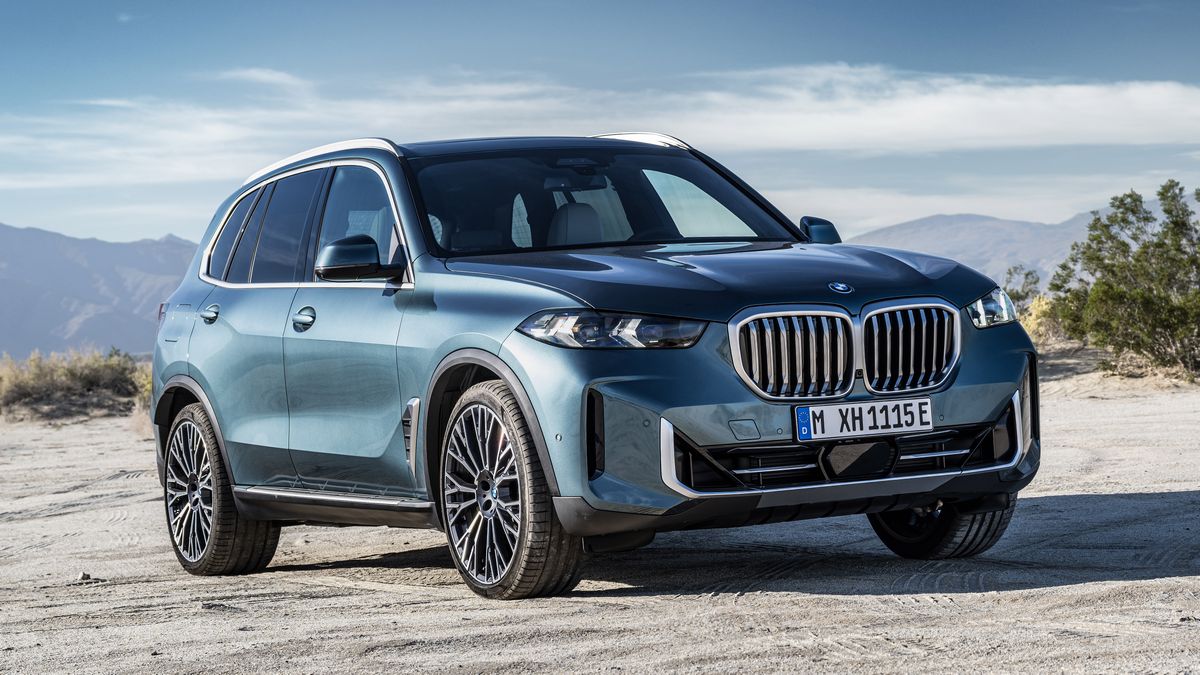
| BMW | 528 |
| Land Rover | 498 |
| Cadillac | 487 |
| Mercedes-Benz | 484 |
| Lincoln | 482 |
| Volvo | 469 |
| Acura | 454 |
| Infiniti | 445 |
| Porsche | 444 |
| GMC | 439 |
| Audi | 432 |
| Buick | 427 |
| Jaguar | 424 |
| Alfa Romeo | 421 |
J.D. Power does not rank Tesla, Rivian, or Polestar because the companies do not permit researchers to see user data in states that require consent. Based on partial results, Tesla would have had the highest overall score at 786. Rivian would have scored 666. Polestar would have scored 578.